
Introduction to Peanut Butter Exporting in India
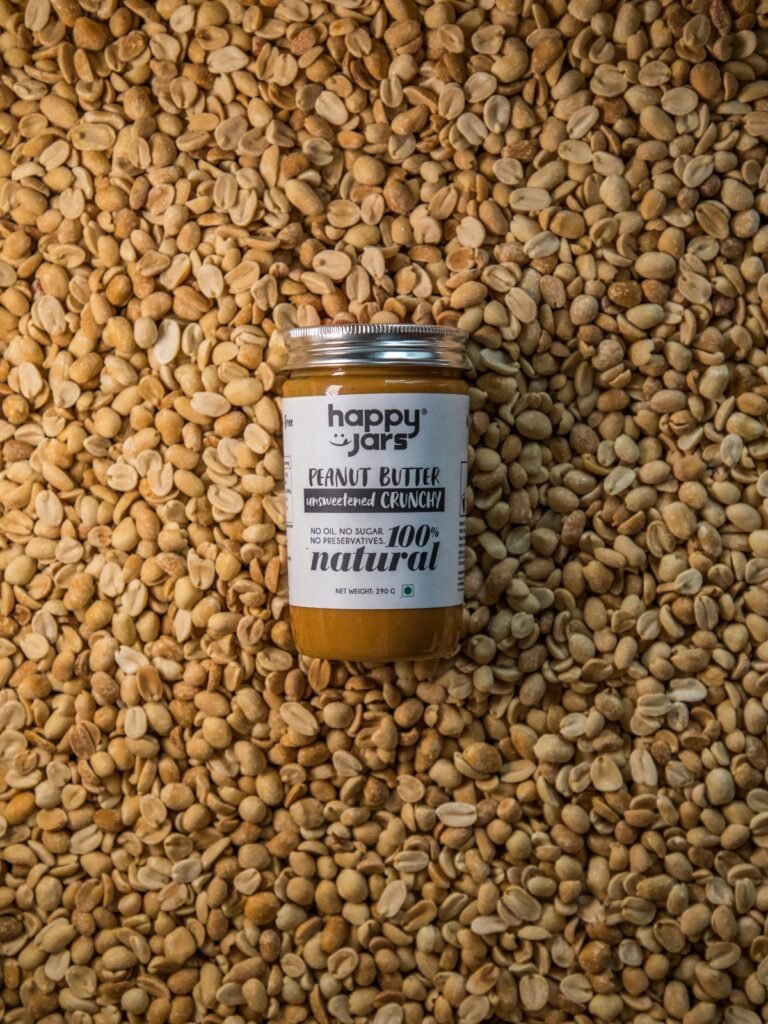
The peanut butter exporting industry in India has witnessed significant growth over recent years, capitalizing on the increasing demand for this versatile product both domestically and internationally. As a rich source of protein and healthy fats, peanut butter has gained popularity among health-conscious consumers, contributing to a burgeoning market that offers substantial opportunities for exporters. The industry is not merely a commercial venture; it plays a pivotal role in India’s agricultural economy, particularly as a means for farmers to enhance their income through value-added products.
On a domestic front, India is experiencing a shift in dietary preferences, with consumers increasingly opting for convenient, nutritious food options. This trend has translated into higher consumption of peanut butter, consequently leading to a rise in production capacity. Globally, regions such as North America and Europe exhibit a strong inclination toward natural and organic foods, propelling the demand for Indian peanut butter owing to its quality and competitive pricing. Furthermore, the evolving lifestyle of consumers, marked by busier schedules, has accelerated the preference for ready-to-eat food items, creating a favorable environment for peanut butter exports.
Several factors contribute to the growth of peanut butter exports from India, including advancements in processing technologies, improved supply chain logistics, and increased awareness about the health benefits of peanuts. Key demographics of peanut butter consumers encompass not only fitness enthusiasts but also families looking for nutritious spreads for their children. Additionally, the rise of e-commerce platforms has facilitated access to global markets, enabling Indian peanut butter exporters to reach diverse consumer segments across geographical boundaries. In essence, the peanut butter exporting landscape in India is poised for further expansion, backed by robust market dynamics and evolving consumer preferences.
Historical Context of Peanut Butter Production in India
The journey of peanut butter production in India traces back to the agricultural practices of peanut cultivation, which began in the country over a hundred years ago. Initially introduced by Portuguese traders in the 17th century, groundnuts quickly became a significant crop due to their adaptability to diverse climatic conditions and soil types. The popularity of peanuts spurred local cultivation, with states like Gujarat and Andhra Pradesh emerging as prominent producers. By the early 20th century, the oil industry began harnessing peanuts for oil extraction, laying the groundwork for the eventual introduction of peanut butter as a consumer product.
The concept of peanut butter, however, did not take root in India until the latter half of the 20th century. As a product that had gained prominence in Western countries, its introduction into the Indian market was gradual. However, with growing awareness of nutritional benefits and a shift in consumer preferences toward healthy snacks, peanut butter began to garner interest among Indian consumers in the 1990s. The emergence of several local brands promoting various flavors and formulations further fueled its popularity, subsequently propelling peanut butter into mainstream retail.
Key Regions for Peanut Production in India
India is one of the leading producers of peanuts globally, and several regions across the country are particularly known for their favorable conditions for peanut cultivation. Prominent among these are Gujarat, Andhra Pradesh, Tamil Nadu, and Karnataka. Each of these regions contributes significantly to both the local and national peanut supply, thereby impacting peanut butter production.
Gujarat stands out as the largest peanut-producing state in India, accounting for a considerable share of the country’s total production. The region benefits from a semi-arid climate, characterized by low rainfall and high temperatures, which are ideal for peanut farming. The sandy loam soil found here is well-draining, ensuring that peanuts receive the right amount of water and nutrients. Farmers in Gujarat often employ modern agronomic practices, which enhance both the yield and quality of peanuts.
Andhra Pradesh also plays a crucial role in peanut production. The state’s climate, featuring warm temperatures and sufficient sunlight, fosters excellent peanut growth. The red sandy and loamy soils prevalent in this area are rich in nutrients, further contributing to the health of the crops. Local farming practices often incorporate traditional knowledge, which has been passed down through generations, alongside cutting-edge agricultural techniques.
In Tamil Nadu, farmers cultivate peanuts primarily during the kharif season when the monsoon rains provide the moisture necessary for germination. The region’s diverse soil types and rainfall patterns allow for varied growing methods. Karnataka, too, boasts a substantial peanut output, particularly in regions with black soil enriched by organic matter. These areas are often integrated with other crops, promoting soil health and maximizing land use.
Overall, these regions represent the backbone of India’s peanut industry, contributing significantly not only to the quantity but also to the quality of peanuts available for the production of peanut butter. Their specialized cultivation techniques, soil types, and climatic conditions collectively enhance the overall output of this vital agricultural commodity.
Top Companies Exporting Peanut Butter from India
India has emerged as a significant player in the global peanut butter market, with several companies leading the charge in exports. Among these, two prominent names are Goldenbird Overseas and Adani Wilmar Limited . Adani Wilmar, renowned for its wide range of edible oils and food products, has diversified into peanut butter, offering products that are not only rich in flavor but also fortified with essential nutrients. Their commitment to quality is evident through various international quality certifications, ensuring their peanut butter meets strict safety and health regulations worldwide.
Another key player is Mapro Foods, which has established itself in the niche of premium peanut butter products. Known for their organic offerings, Mapro has honed its production processes to maintain the highest quality standards. They prioritize sourcing the best peanuts from local farmers, resulting in a product that not only supports local agriculture but also appeals to health-conscious consumers globally. Their innovative flavor variants, such as chocolate and honey-infused peanut butter, have helped them carve out a unique market segment, enhancing their export capabilities.
Furthermore, organic and natural peanut butter brands like Nutty Grits and PeeBee Farms have gained traction both domestically and internationally. Nutty Grits stands out for their commitment to producing 100% natural and preservative-free peanut butter, which resonates well with consumers looking for healthier alternatives. On the other hand, PeeBee Farms leverages sustainable farming practices, ensuring a product that not only focuses on health benefits but also enhances environmental sustainability. Together, these companies represent the diverse and innovative landscape of peanut butter production in India, contributing significantly to the country’s export statistics.
Quality Standards and Certifications for Exporting Peanut Butter
Exporting peanut butter from India requires strict adherence to various quality standards and certifications that ensure the product’s safety, quality, and compliance with international norms. These standards not only safeguard consumer health but also uphold the reputation of Indian exporters in the global market. One of the primary regulatory bodies overseeing food safety in India is the Food Safety and Standards Authority of India (FSSAI). The FSSAI establishes guidelines that peanut butter exporters must follow, which include specific criteria for ingredients, manufacturing practices, and labeling.
Internationally, peanut butter exporters must comply with standards set forth by organizations such as the Codex Alimentarius Commission. These guidelines encompass food safety management systems and quality assurance protocols, which are critical in maintaining global acceptance. When exporting peanut butter, it is essential for manufacturers to conduct regular testing of their products to ensure they meet micro-bacterial and chemical safety standards. This includes limits on aflatoxin levels, which pose significant health risks and must comply with international safety regulations.
Additionally, various certification programs play a crucial role in the export process. Certifications such as ISO 22000, which focuses on food safety management, and HACCP (Hazard Analysis Critical Control Point) are highly regarded globally. These certifications ensure that manufacturers implement stringent safety measures at every stage of production, from sourcing raw materials to packaging finished products. Compliance with these standards and certifications not only enhances consumer confidence but also facilitates easier entry into international markets by meeting trade regulations.
Ultimately, adherence to quality standards and acquiring the necessary certifications for exporting peanut butter are pivotal for Indian exporters. By committing to these guidelines, they can improve product quality, ensure consumer safety, and expand their market reach in the competitive global landscape.
Challenges Faced by Peanut Butter Exporters in India
Peanut butter exporters in India encounter a myriad of challenges that complicate their operations and impact their profitability. One significant obstacle is the stiff competition in the global market, where numerous countries are vying for a share of consumer demand. Competitors from regions such as the United States and Africa often have established brands and sophisticated marketing strategies, which can overshadow new exporters from India. As the market grows more saturated, Indian exporters must innovate and offer superior quality and unique flavors to differentiate their products.
Additionally, fluctuations in peanut prices present a considerable challenge for exporters. The cost of raw peanuts can be influenced by various factors, including harvest yields, weather conditions, and international market dynamics. Such variability can affect production costs and, subsequently, the pricing strategy for peanut butter, making it difficult for exporters to maintain stable profit margins. This unpredictability necessitates careful financial planning and risk management to ensure sustained competitiveness.
Trade policies also play a critical role in the operations of peanut butter exporters. Tariffs and regulatory barriers imposed by importing countries can restrict market access or increase costs, making it essential for exporters to stay informed about changing regulations. Quality control issues further complicate the exporting process; ensuring compliance with international standards is paramount. Failure to meet these requirements can result in product rejections, significant financial losses, and damage to reputation.
Moreover, climate change has emerged as a pressing concern for agricultural producers, including peanut farmers. Unpredictable weather patterns, such as droughts or excessive rainfall, can adversely impact peanut yield and quality, limiting supply for peanut butter production. As a result, exporters must adapt to these changing conditions by implementing sustainable sourcing and farming practices to ensure a consistent supply of quality peanuts.
Export Trends and Future Outlook for Peanut Butter in India
The peanut butter export market in India has witnessed significant transformation over the past few years. As consumer preferences shift towards healthier snack alternatives, the demand for peanut butter both domestically and internationally has surged. The growing awareness regarding the nutritional benefits of peanut butter, which is rich in proteins and healthy fats, has contributed to this trend. Exporters are increasingly targeting emerging markets, including Southeast Asian countries and the Middle East, where there is a rising inclination towards Western dietary habits.
Changing consumer preferences play a vital role in shaping the future of peanut butter exports from India. The popularity of plant-based diets is gaining traction, leading to an increase in the consumption of products like peanut butter that align with vegetarian and vegan lifestyles. Moreover, the rising trend of conscious eating, characterized by the preference for natural and organic products, has prompted exporters to adopt cleaner production methods. This shift is driving manufacturers to innovate their product lines, incorporating organic certifications to appeal to health-conscious consumers.
Health trends also greatly affect the peanut butter export outlook. Modern consumers are becoming more aware of nutrition labels and ingredient lists, which is pushing brands to invest in healthier recipes free from artificial additives. Additionally, advancements in processing techniques and packaging solutions are expected to streamline production while extending shelf life, making Indian peanut butter more competitive in the global market.
In conclusion, the export trends for peanut butter in India indicate promising growth spurred by emerging markets, evolving consumer preferences, and a strong focus on health and nutrition. By embracing innovations in processing and packaging, Indian exporters can position themselves effectively to meet the changing demands of the global market.
Benefits of Choosing Indian Peanut Butter for Global Consumers
Indian peanut butter has emerged as a prominent choice for international consumers seeking quality and uniqueness. One of the standout features of Indian peanut butter is its rich flavor diversity. The distinct taste profiles derived from various local peanut varieties, combined with traditional preparation methods, offer a delightful alternative to more conventional products available in global markets. This array of flavors allows consumers to explore new culinary possibilities, making Indian peanut butter an enticing ingredient in both savory and sweet dishes.
In addition to its unique flavor, many Indian peanut butter brands focus on offering organic options, catering to the growing demand for healthier and sustainably sourced foods. These organic products are free from harmful pesticides and chemicals, aligning with global consumer preferences for clean eating. Opting for Indian peanut butter thus not only enhances the flavor experience but also supports health-conscious dietary choices.
Nutritionally, Indian peanut butter is a powerhouse of essential vitamins, healthy fats, and protein. Rich in nutrients like vitamin E, magnesium, and folate, it serves as an excellent source of energy and contributes to overall health. Moreover, the protein content makes it an ideal choice for vegetarians and vegans looking to incorporate more plant-based protein into their diets.
Apart from its nutritional and flavor benefits, choosing Indian peanut butter also supports local agriculture and fair trade practices. Global consumers can take pride in knowing that their purchase may contribute to the livelihoods of Indian farmers, thereby fostering economic sustainability within rural communities. By selecting Indian peanut butter, consumers embrace not just a delicious product, but also the values of social responsibility and sustainability that are increasingly prominent in today’s market.
Conclusion: The Growing Role of India in the Global Peanut Butter Market
India has established itself as a significant player in the global peanut butter market, showcasing its capacity for immense growth and innovation. As more consumers worldwide seek healthier food options, the demand for peanut butter continues to rise. With its vast production capabilities and a focus on quality, India is poised to meet this growing demand effectively. Indian exporters have not only leveraged the country’s agricultural strengths but have also embraced modern processing techniques, enhancing the quality of their products.
The favorable climatic conditions combined with technological advancements have enabled Indian peanut producers to optimize yields and improve the overall quality of peanut butter. Additionally, the nation’s multifaceted approach towards enhancing export efficiency and building strong international partnerships has cemented its position as a key exporter in this industry. Furthermore, the growing awareness of the nutritional benefits of peanut butter has led to an increase in domestic consumption, prompting manufacturers to cater to both local and international markets.
Looking ahead, the potential for innovation within India’s peanut butter sector remains substantial. As companies explore new flavors and cater to diverse consumer preferences, the scope for market expansion is evident. Furthermore, initiatives aimed at organic and health-oriented products may attract a wider global audience. To stay competitive, it is essential for stakeholders across the supply chain—farmers, manufacturers, and exporters—to collaborate closely to enhance product quality and develop sustainable practices.
As India’s influence within the peanut butter market continues to grow, it is vital for both industry insiders and consumers to stay informed about ongoing developments. This will not only allow stakeholders to adapt to market trends but also to anticipate the future direction of this increasingly prominent sector. The journey of India’s peanut butter exporters is a testament to their resilience and adaptability in a constantly evolving global landscape.